
Why This Sunshine Vitamin Is Vital for Your Health
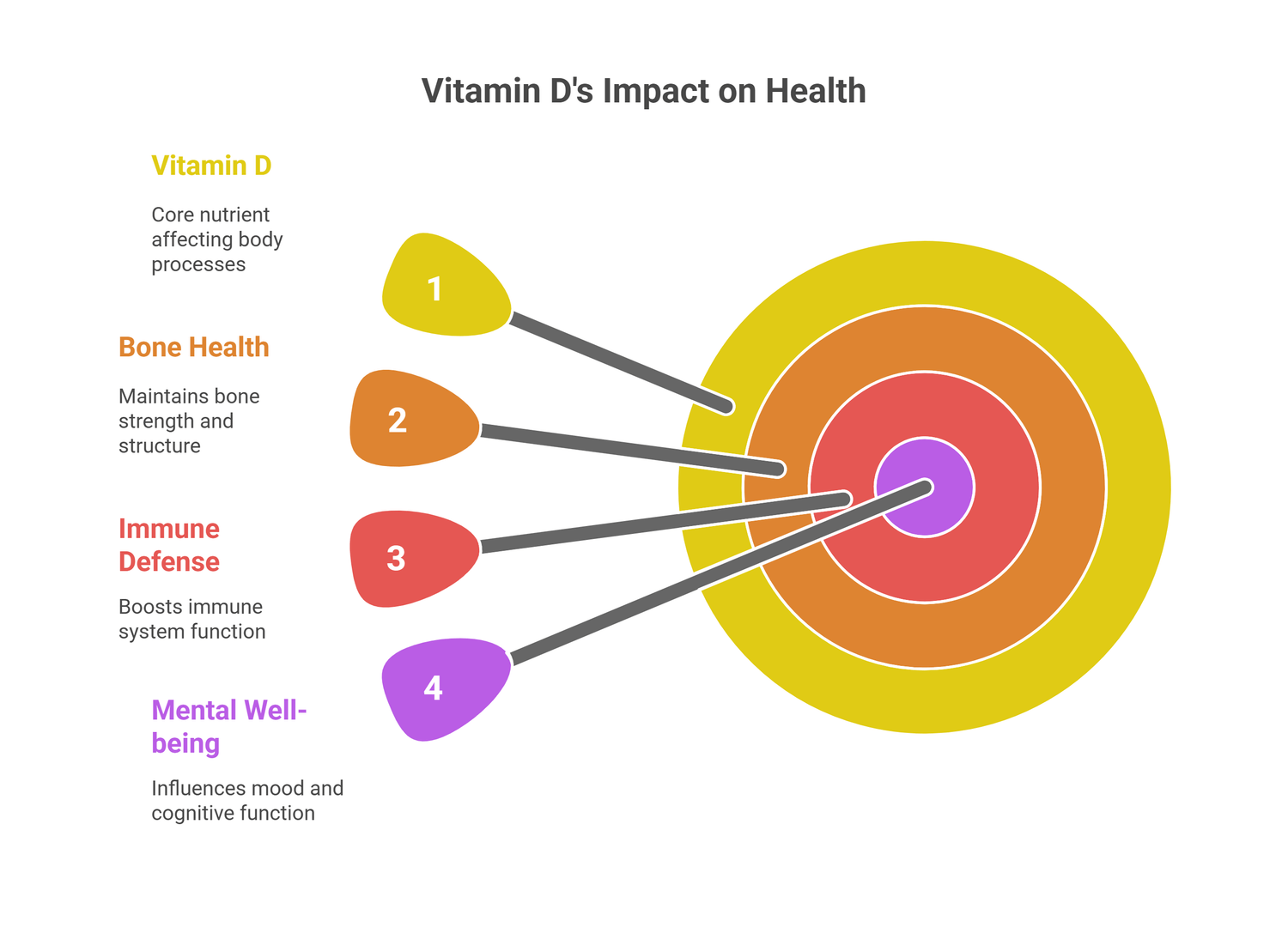
Vitamin D is one of the most talked-about nutrients today, and for good reason. Known as the “sunshine vitamin,” it is much more than just a vitamin. It works like a hormone, affecting hundreds of processes in the body — from bone health to immune defense and even mental well-being. Despite its importance, vitamin D deficiency is common worldwide, especially among women.
This article explores the role of vitamin D in the body, why it is essential, what happens when you are deficient, and the best ways to maintain healthy levels naturally.
What Is Vitamin D?
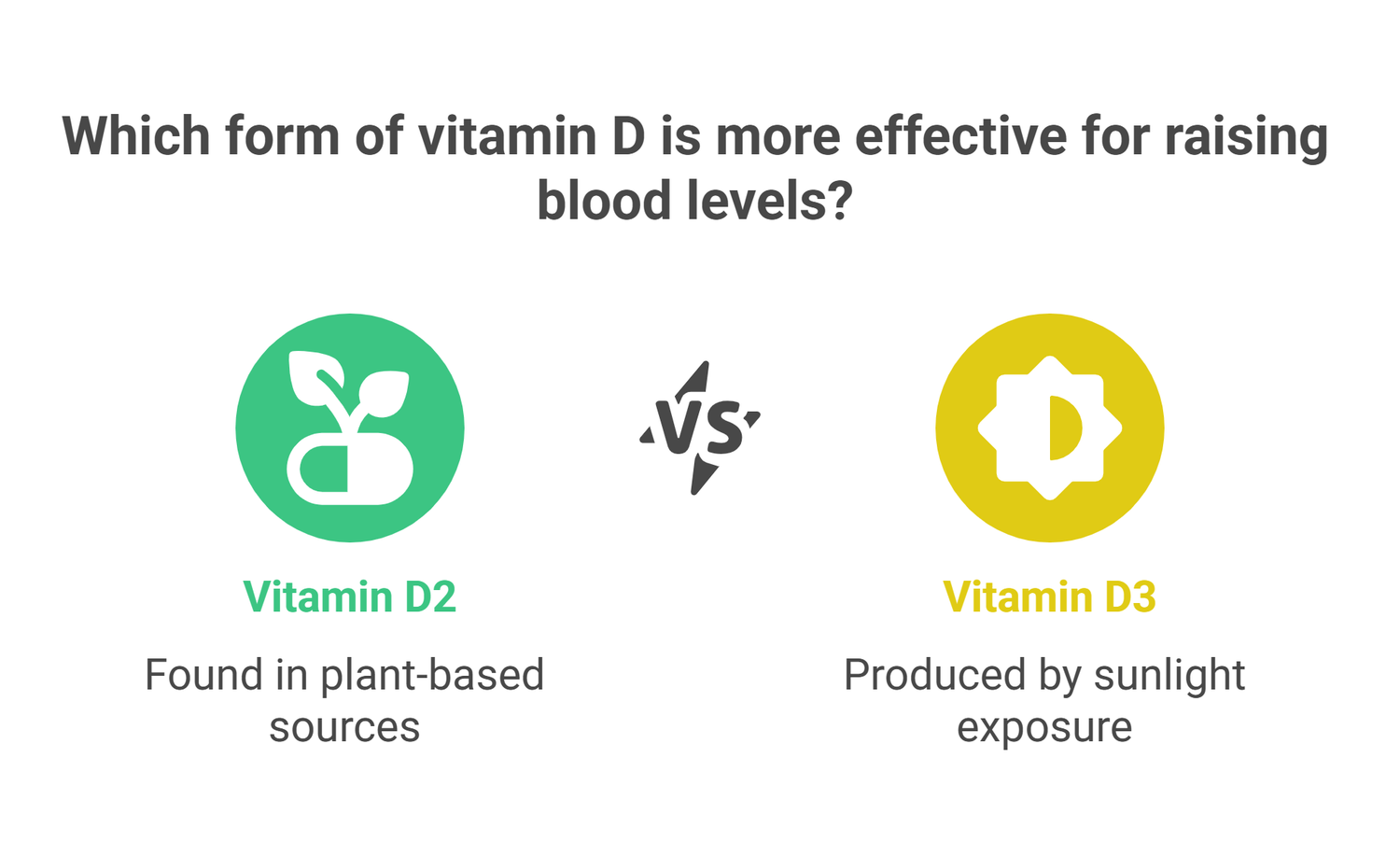
Vitamin D is a fat-soluble vitamin that your body can produce when your skin is exposed to sunlight. It comes in two main forms:
Vitamin D2 (ergocalciferol): Found in some plant-based sources and fortified foods.
Vitamin D3 (cholecalciferol): Produced in the skin after sunlight exposure and found in animal-based foods.
Vitamin D3 is more effective at raising blood levels of vitamin D, making it the preferred form for most people. Once produced or consumed, vitamin D is converted by the liver and kidneys into calcitriol, its active form, which regulates calcium absorption, immune function, and cell growth.
1. Strengthening Bones and Teeth
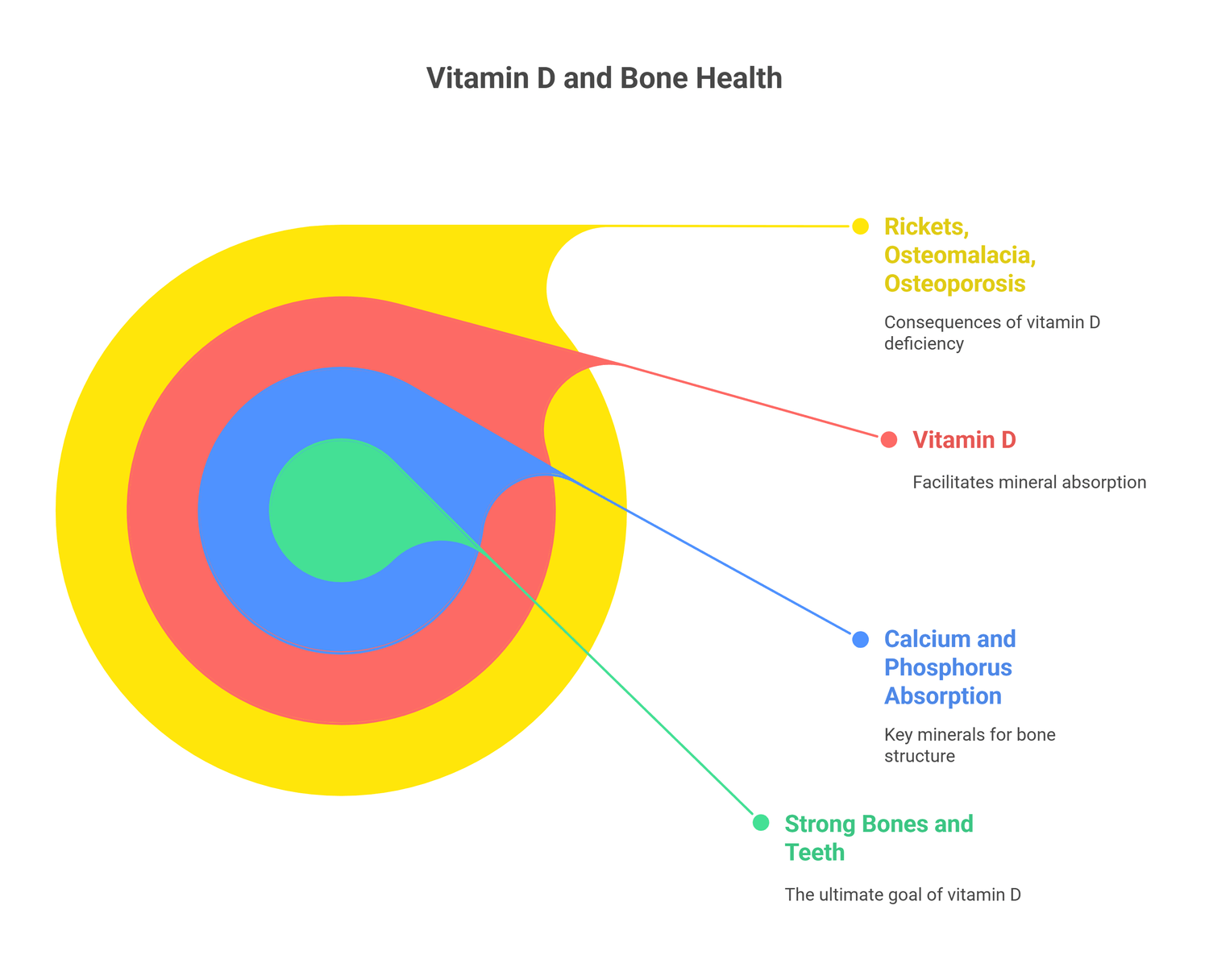
Vitamin D plays a central role in bone health. It helps the body absorb calcium and phosphorus, the key minerals that form the structure of bones and teeth. Without enough vitamin D, bones become weak and brittle, leading to:
Rickets in children (soft, weak bones that can deform)
Osteomalacia in adults (soft bones causing pain)
Increased risk of osteoporosis and fractures later in life
This is why vitamin D is often paired with calcium in supplements — they work together to keep your skeleton strong.
2. Supporting the Immune System
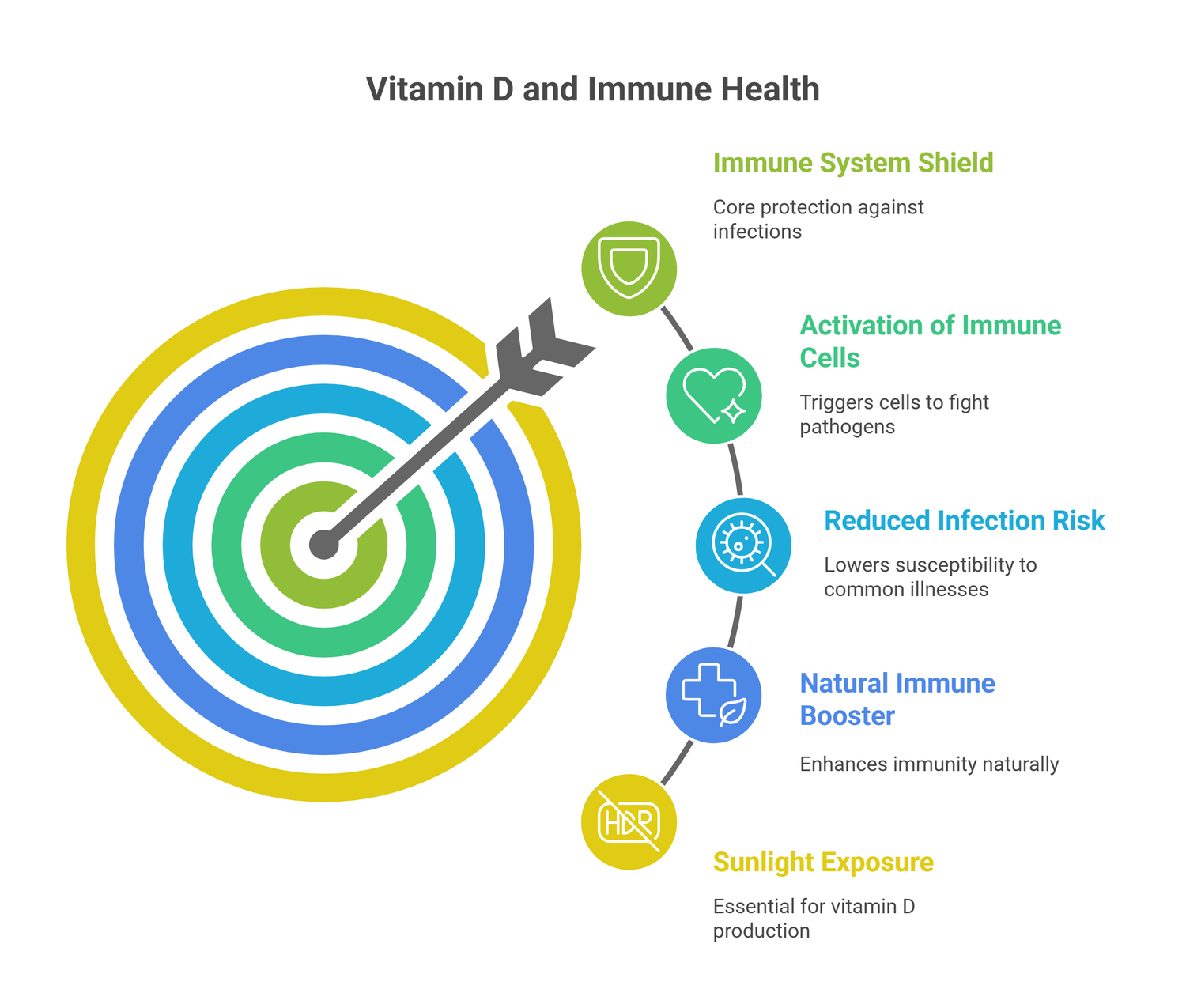
Vitamin D is like a shield for your immune system. It helps activate immune cells that fight bacteria and viruses, lowering the risk of infections.
Studies have shown that people with healthy vitamin D levels are less likely to get colds, flu, or respiratory infections. In fact, vitamin D is considered a natural immune booster, especially important during the winter months when sunlight exposure is low.
3. Regulating Hormones and Mood
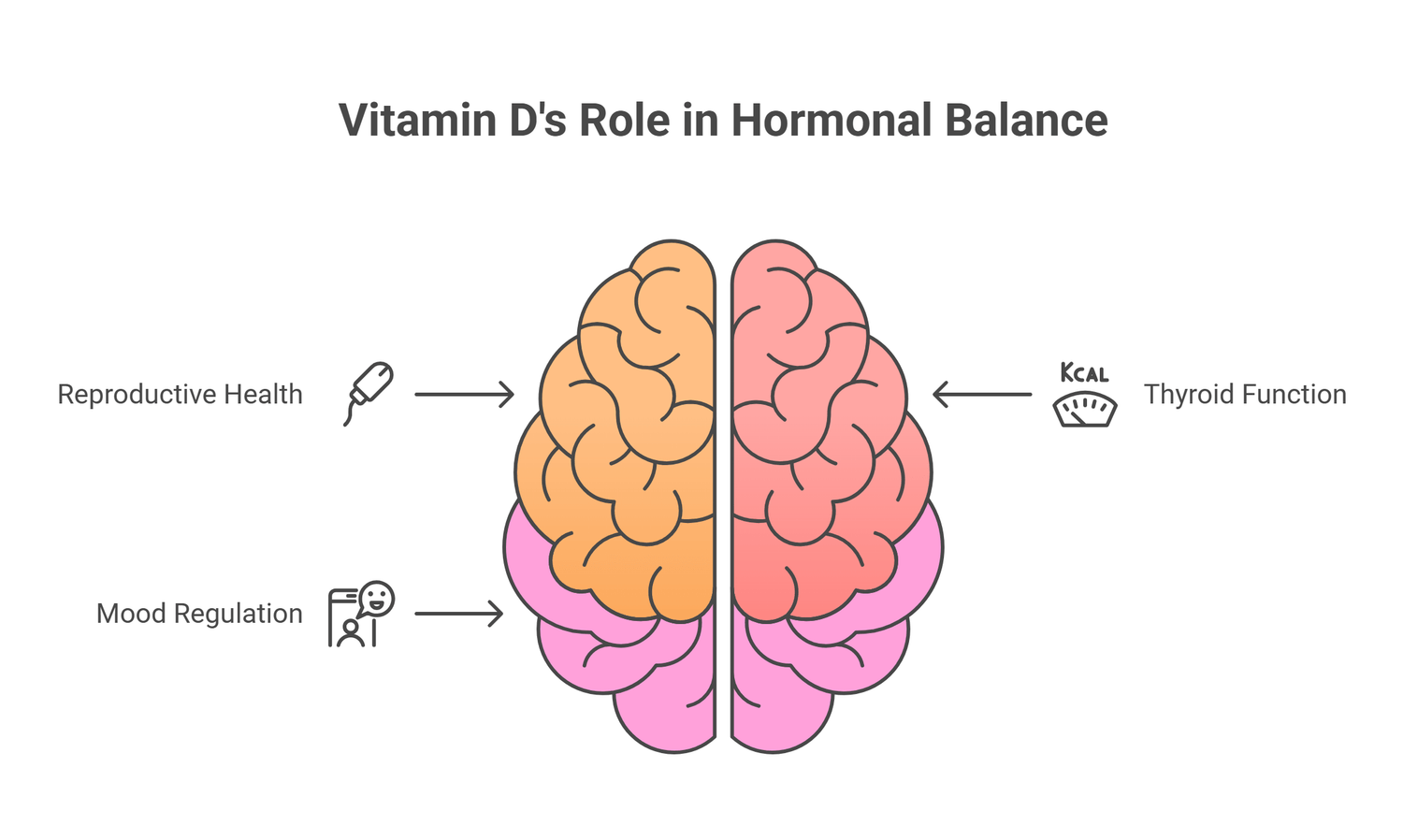
Vitamin D has receptors throughout the brain and endocrine system, showing its importance for hormonal balance. It can influence:
Reproductive health: Vitamin D may support regular menstrual cycles and fertility.
Thyroid function: Low levels have been linked to thyroid imbalances.
Mood regulation: Vitamin D helps produce serotonin, the “feel-good”
Low vitamin D has been associated with depression, anxiety, and seasonal affective disorder (SAD).
4. Improving Muscle Strength
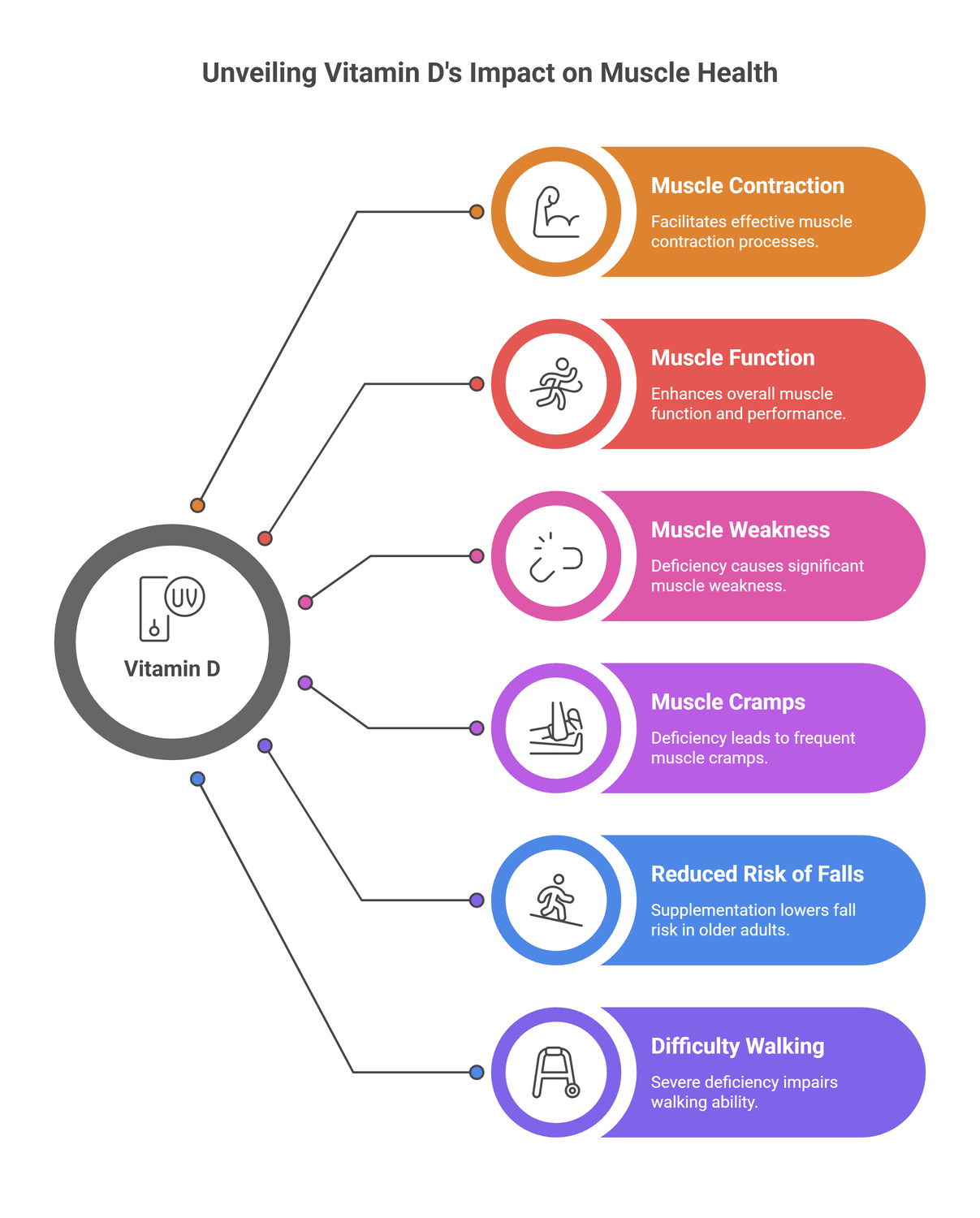
Vitamin D is necessary for muscle contraction and function. Deficiency can lead to muscle weakness, cramps, and in severe cases, difficulty walking. In older adults, vitamin D supplementation may reduce the risk of falls by improving muscle strength and coordination.
5. Supporting Heart and Metabolic Health
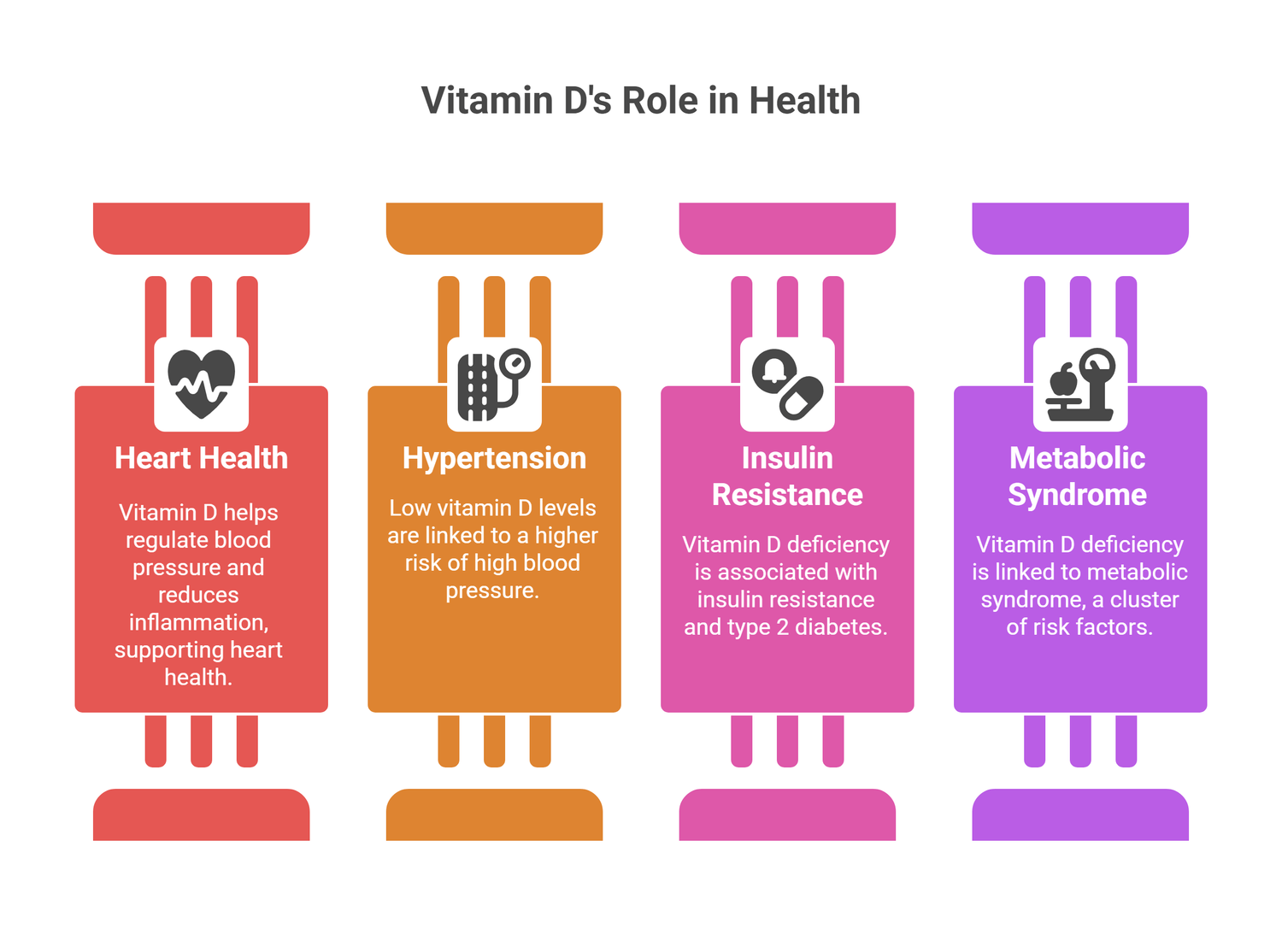
Research suggests vitamin D plays a role in heart health by helping regulate blood pressure and reducing inflammation. Low vitamin D levels are linked to a higher risk of:
Hypertension (high blood pressure)
Insulin resistance and type 2 diabetes
Metabolic syndrome (a cluster of risk factors including belly fat, high blood sugar, and high cholesterol)
6. Helping Cell Growth and Repair
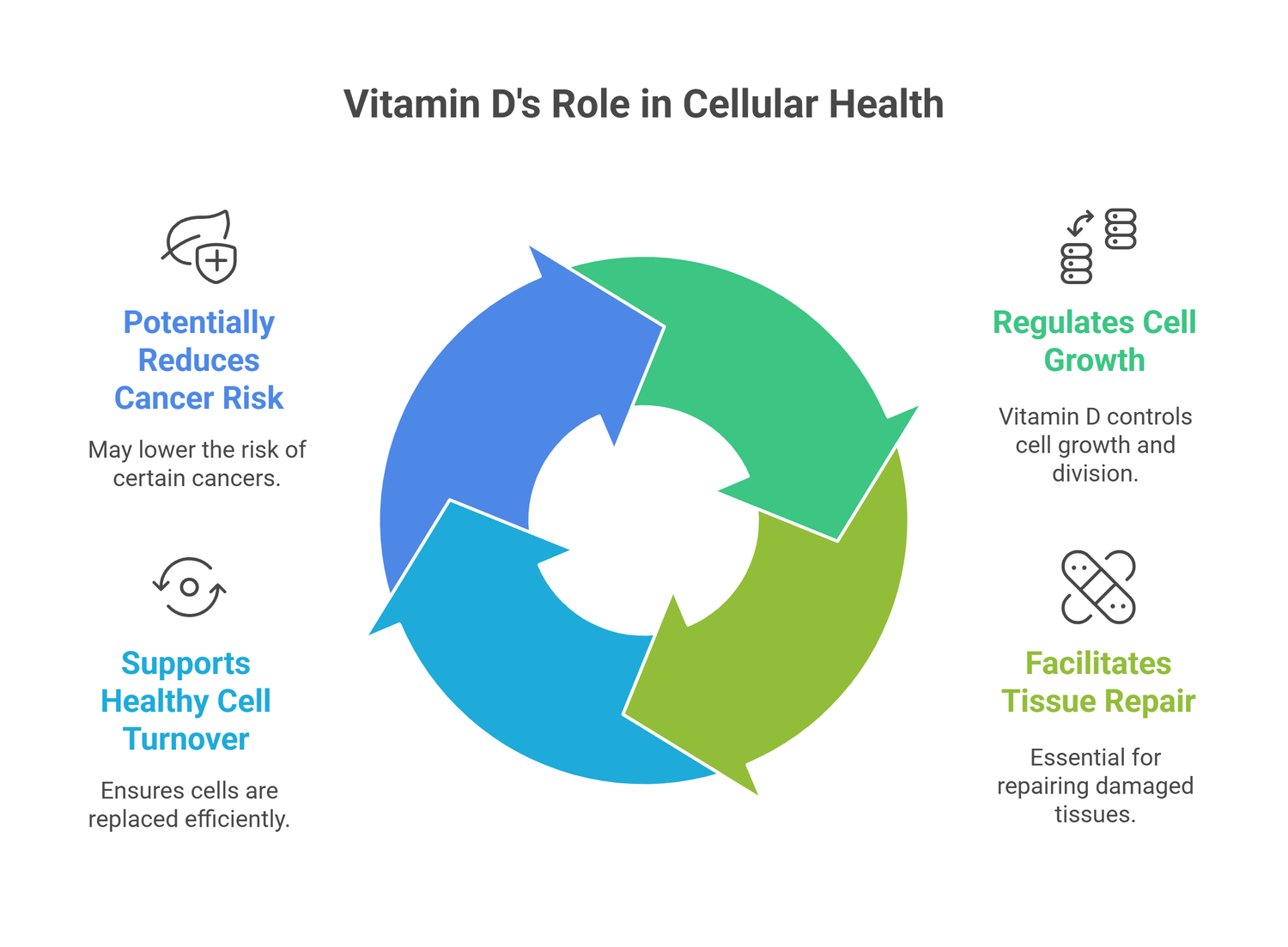
Vitamin D helps control how cells grow and divide. This is essential for tissue repair and healthy cell turnover. Some research suggests that maintaining optimal vitamin D levels may lower the risk of certain cancers, though more studies are needed.
Understanding the Causes
Several factors can lead to insufficient vitamin D levels:
Limited Sun Exposure: Living in regions with less sunshine, staying indoors, or wearing sunblock can reduce your body’s capacity to produce vitamin D naturally .
Skin Pigmentation: People with darker skin need more sunlight to generate the same amount of vitamin D compared to those with lighter skin .
Age and Health Conditions: Older adults, individuals with chronic illnesses, or those with fat-malabsorption conditions may struggle to produce or absorb vitamin D efficiently .
Dietary Shortfalls: Few foods naturally contain vitamin D, and if you’re not consuming fortified options or supplements, your intake may be too low
Medical Conditions or Medications: Kidney or liver disease, which impair vitamin D conversion, and certain medications can impact vitamin D levels
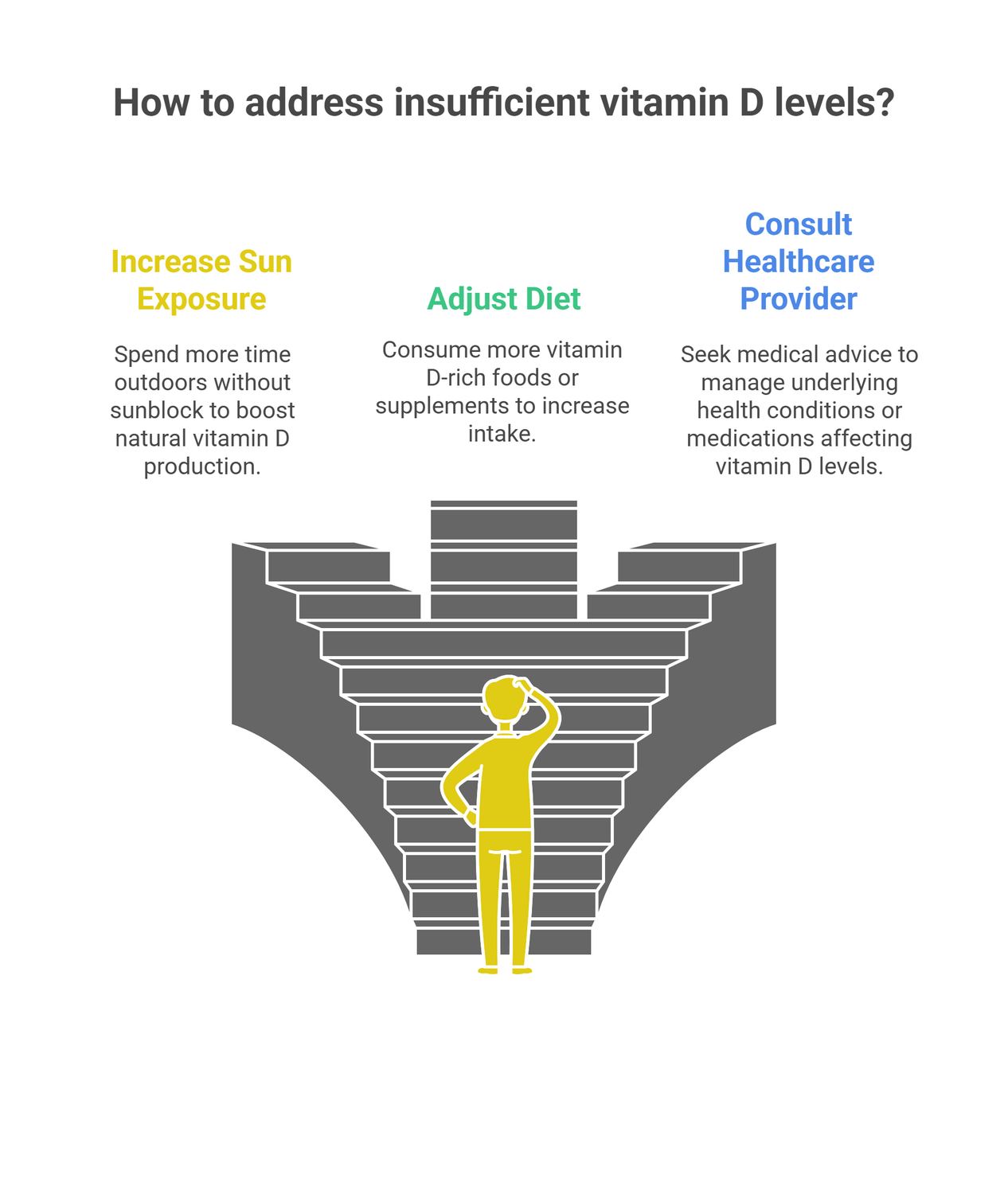
Recognizing the Symptoms
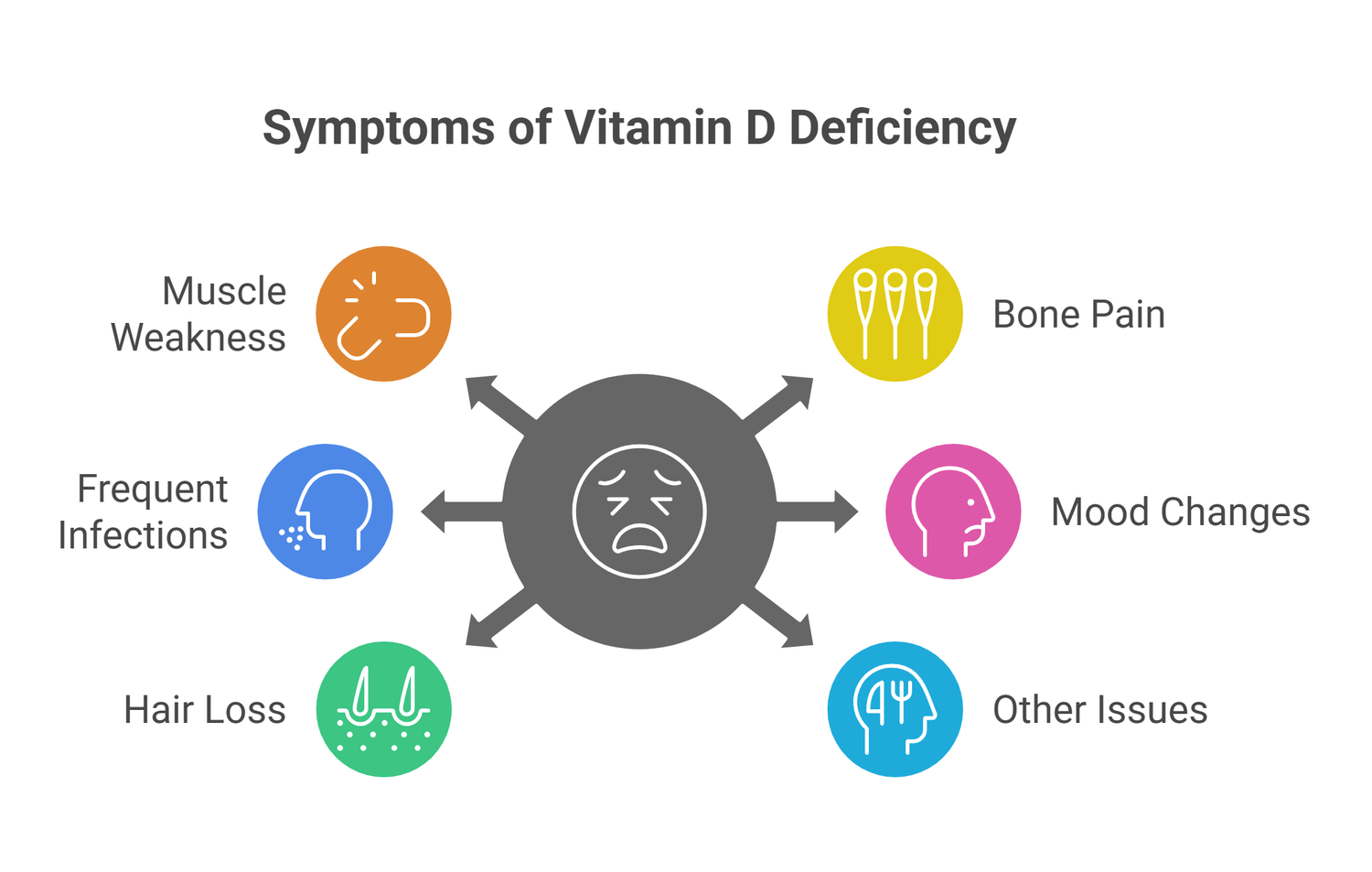
Vitamin D deficiency often shows up in subtle ways:
Muscle Weakness and Pain: Difficulty climbing stairs or persistent cramps may point to low vitamin D .
Bone Pain and Fragility: Adults may experience bone discomfort or fractures, while children may develop rickets; adults risk osteomalacia (weakening of the bones) .
Frequent Infections: Repeated illnesses may indicate a weakened immune system tied to low vitamin D .
Mood Changes & Fatigue: Deficiency may contribute to low mood, seasonal affective disorder (SAD), or constant tiredness .
Hair Loss & Slow Healing: Deficiency can impair tissue repair and contribute to hair thinning or shedding .
Other Issues: Weight gain, delayed wound healing, and more have also been linked to low levels .
Real-life experiences share similar themes. One reader reported:
“Extreme hair fall, severe muscle ache… heart palpitations… muscle weakness…” after discovering very low levels of vitamin D.
Another said:
“I’ve been feeling exhausted… weakness in my arms and legs… hair loss… always cold…” Also noted slow progress even after supplementing.
Who Is at Risk of Low Vitamin D?
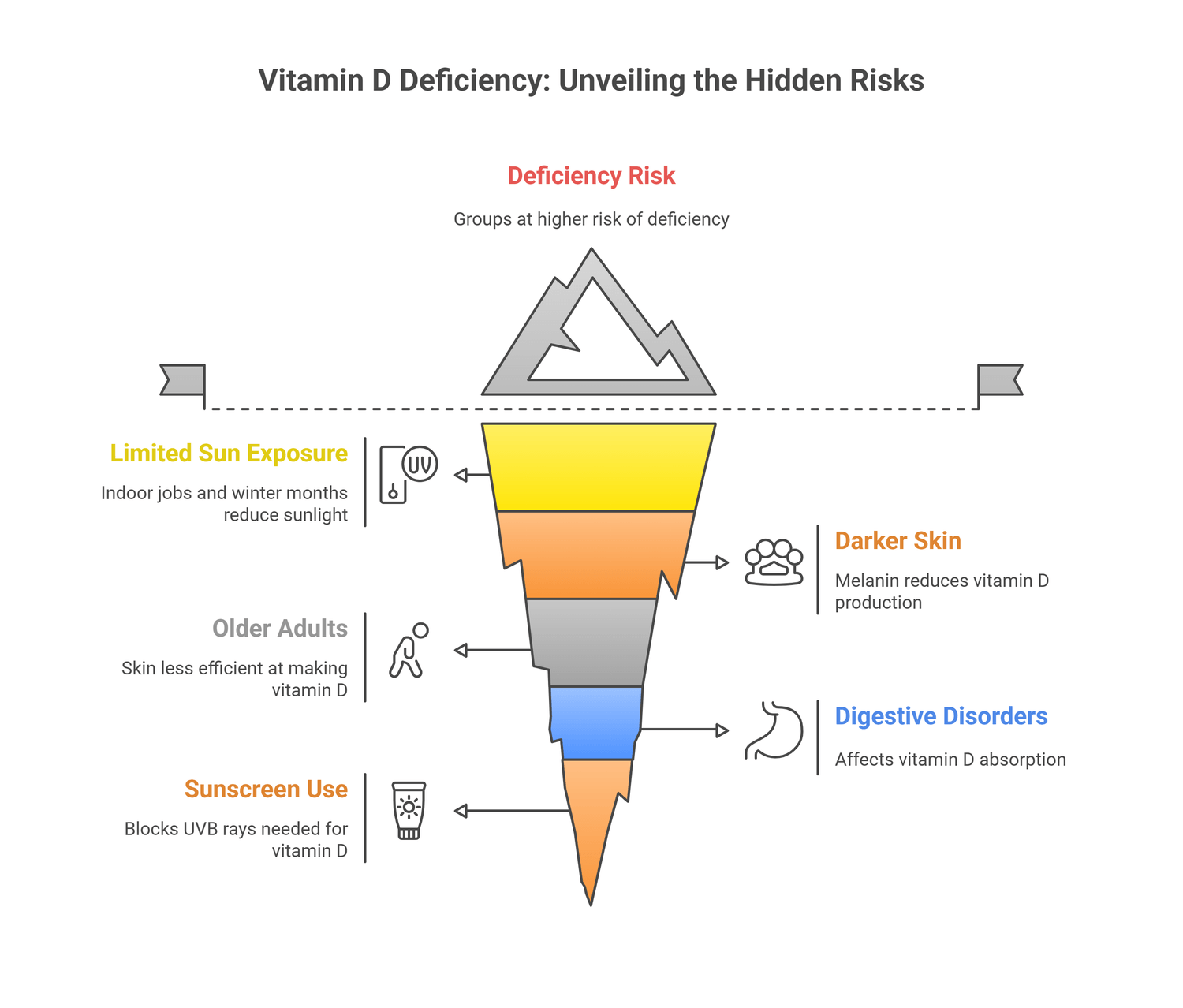
Certain groups have a higher risk of deficiency, including:
People with limited sun exposure (indoor jobs, winter months)
Women with darker skin (melanin lowers vitamin D production)
Older adults (skin becomes less efficient at making vitamin D)
Those with digestive disorders (Crohn’s, celiac) that affect absorption
People who wear sunscreen all the time (important for skin protection, but blocks UVB rays that make vitamin D)
Best Food Sources of Vitamin D
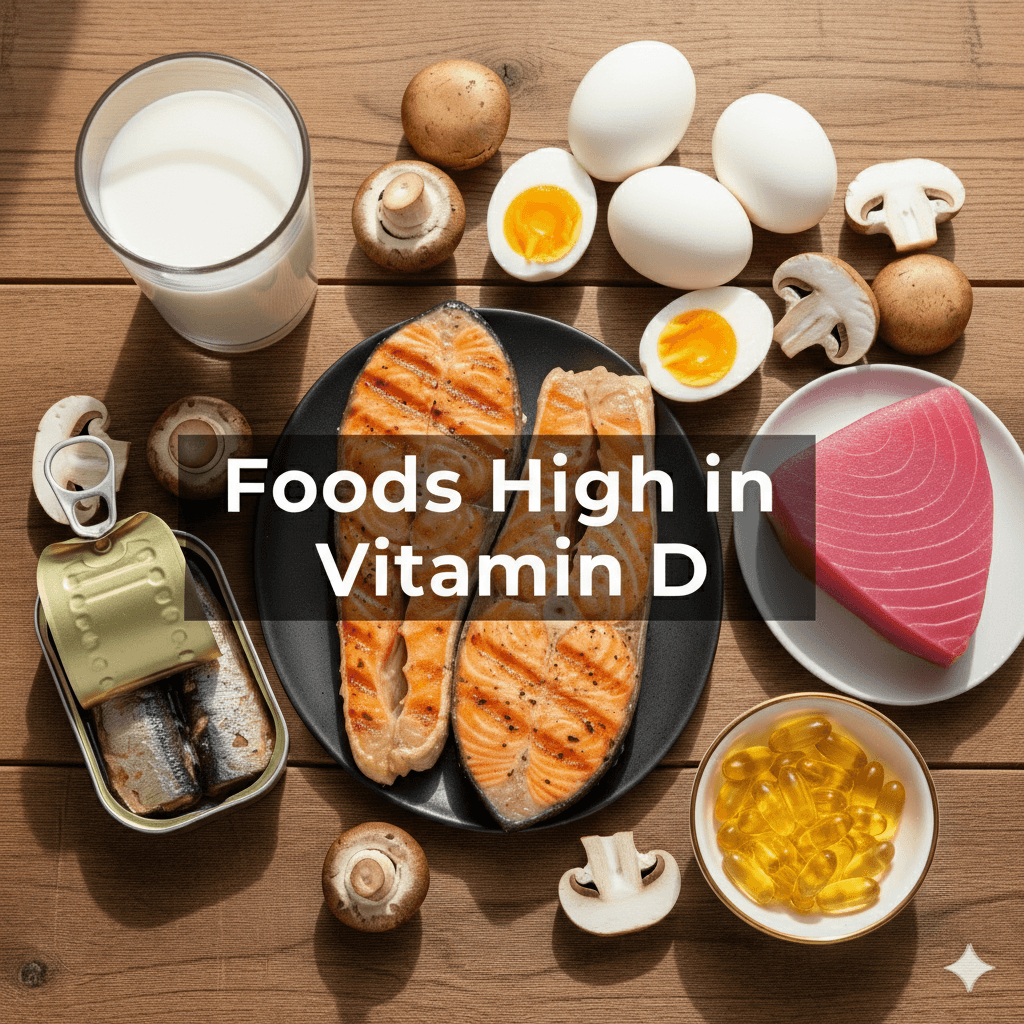
Since sunlight isn’t always enough, here are the top dietary sources:
1. Fatty Fish
Salmon, trout, mackerel, sardines, tuna, and herring are rich in vitamin D.
Example: 100 g of salmon offers 441–924 IU (55–116% of your daily need), while trout can deliver up to 645 IU per 3-ounce serving .
2. Cod Liver Oil
Exceptionally potent, just 1 tablespoon can deliver 1,360 IU—well above daily requirements .
3. UV-Exposed Mushrooms
Mushrooms like shiitake or maitake exposed to UV light can offer vitamin D2. About ½ cup can contain 366 IU .
4. Egg Yolks
A large egg yolk provides roughly 40–44 IU—small but convenient .
5. Fortified Foods
Many staples are enriched with vitamin D:
Milk (dairy or plant-based) — 100–200 IU per cup .
Orange Juice — around 100 IU per cup .
Cereals & Yogurts — fortified options supply 80–120 IU per serving .
6. Cheese, Butter & Other Sources
These contain smaller amounts. Butter, cheddar, and Swiss cheese offer modest contributions .
How to Boost Vitamin D Naturally
1. Get Moderate Sun Exposure
Aim for 10–20 minutes of sun exposure on the arms, face, or legs, 3–4 times a week, depending on your skin tone and where you live. Be careful to avoid overexposure to prevent skin damage.
2. Eat Vitamin D-Rich Foods
Incorporate foods such as:
Fatty fish (salmon, tuna, sardines, mackerel)
Egg yolks
Beef liver
Mushrooms exposed to sunlight
Fortified dairy, plant milk, or cereals
3. Combine With Calcium
For best bone protection, pair vitamin D with calcium-rich foods like dairy, almonds, chia seeds, or leafy green vegetables.
When to Consider Supplements
If you live in an area with long winters, wear full coverage clothing, or have been diagnosed with low vitamin D, supplements may be necessary.
Recommended daily intake:
Adults: 600–800 IU/day
Older adults (65+): 800–1000 IU/day
Supplements come in D2 or D3 — choose D3 for better absorption.
Talk to your doctor before starting supplements, as excessive intake can lead to vitamin D toxicity (high calcium levels, nausea, kidney problems).
Testing Your Vitamin D Level
A simple blood test called 25-hydroxy vitamin D will show if you’re deficient. Optimal levels are usually between 30–50 ng/mL, though some experts recommend slightly higher levels for people with bone or immune health issues.
Key Takeaway
Vitamin D is one of the most powerful nutrients you can optimize for better health. It keeps your bones strong, supports your immune system, balances hormones, and improves muscle and heart function.
Make sure you’re getting enough through sun exposure, vitamin D-rich foods, and supplements if necessary. Maintaining healthy vitamin D levels is a simple but powerful step toward long-term wellness.