
Iron : How to Spot Deficiency and Boost Your Levels Naturally”
Introduction
Iron is often called a “lifeline mineral,” and for good reason. It plays a vital role in carrying oxygen throughout the body, supporting energy production, brain health, immunity, and even healthy hair and skin. Yet, iron deficiency remains the most common nutritional deficiency worldwide — affecting millions of women, men, and children.
In this article, we’ll explore why iron is essential, the signs and causes of iron deficiency, and the best ways to restore balance naturally.
Why Iron Is So Important for Your Body
Iron is a trace mineral, but its functions are far from minor. Here are its key roles:
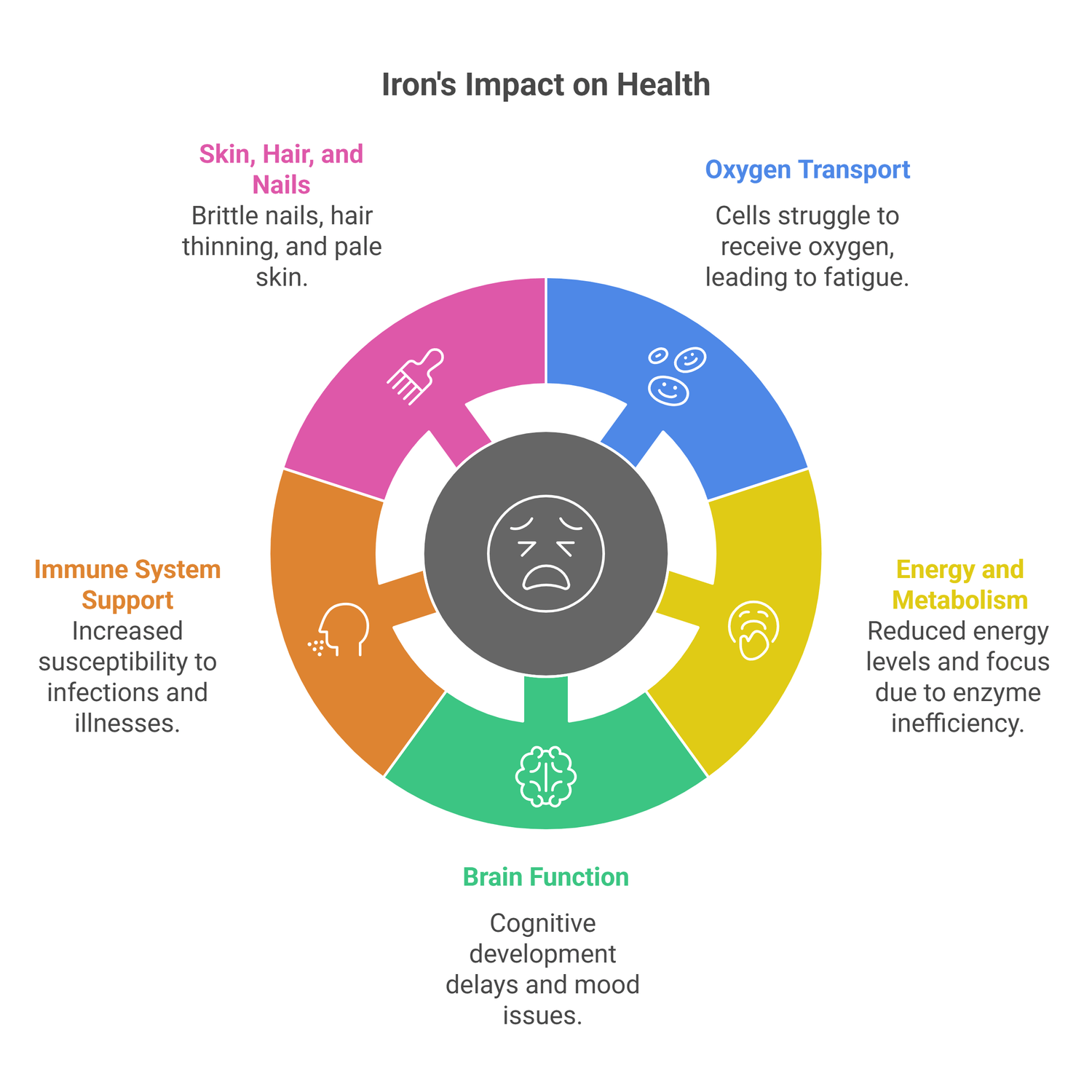
Oxygen Transport
Iron is the main component of hemoglobin in red blood cells.
Hemoglobin carries oxygen from your lungs to every cell in your body. Without enough iron, cells can’t get the oxygen they need, leading to fatigue and weakness.
Energy and Metabolism
Iron is essential for enzymes that produce energy in your cells.
A deficiency often causes tiredness, reduced focus, and decreased stamina.
Brain Function
Adequate iron supports memory, learning, and mood regulation.
In children, iron deficiency can delay cognitive development.
Immune System Support
Iron helps immune cells fight infections.
Low iron levels may make you more prone to frequent colds and illnesses.
Healthy Skin, Hair, and Nails
Iron aids in the production of collagen and supports circulation.
Deficiency can cause brittle nails, hair thinning, and pale skin.
How Much Iron Do You Need?
According to the National Institutes of Health (NIH), the recommended daily intake (RDA) varies by age and gender:
Adult men: 8 mg/day
Women (19–50 years): 18 mg/day
Pregnant women: 27 mg/day
Women over 50: 8 mg/day
Because of menstrual blood loss, women of reproductive age need more iron than men.
Iron Deficiency: Causes and Risk Factors
Iron deficiency occurs when your body doesn’t have enough iron to produce healthy red blood cells. Common causes include:
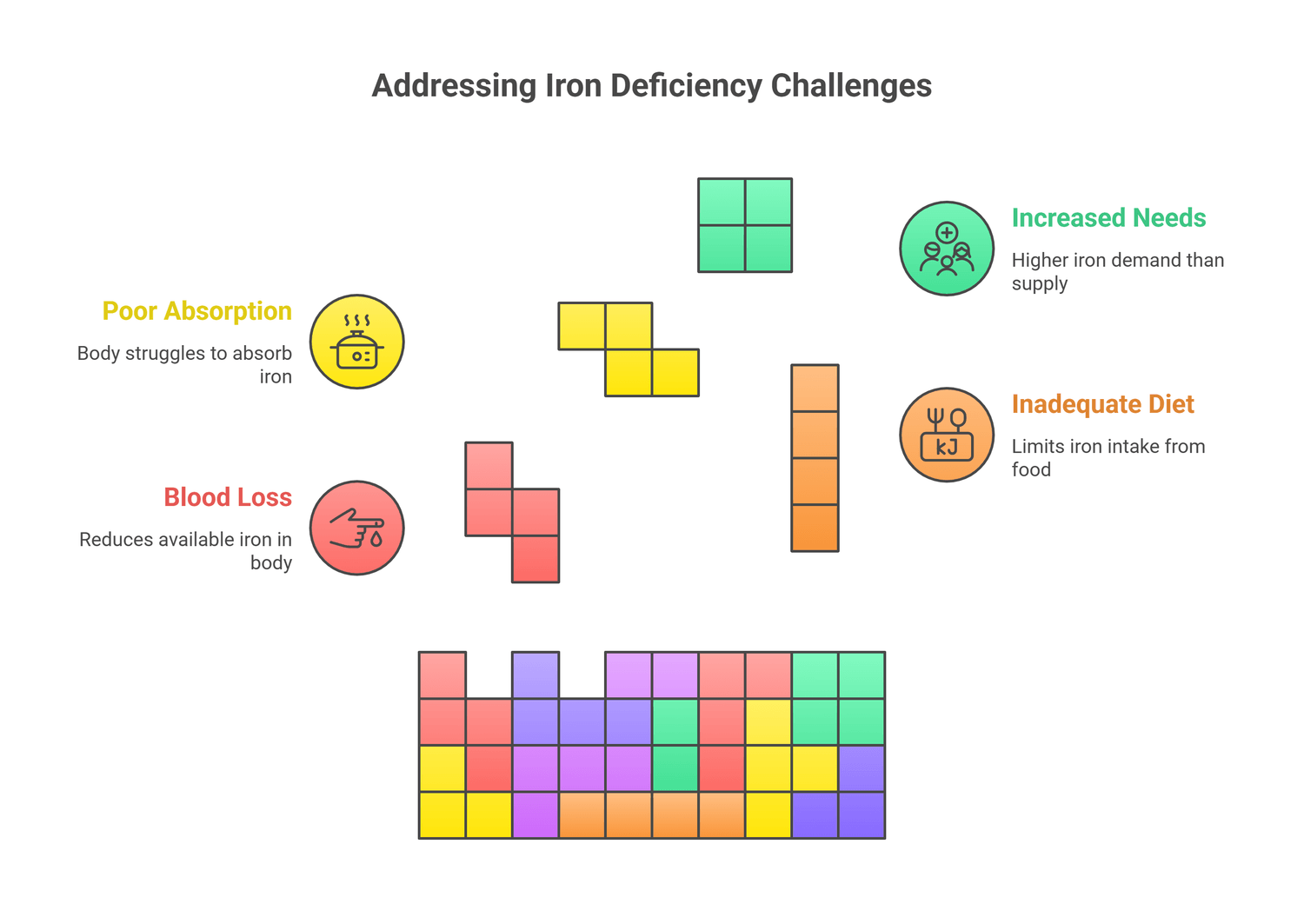
1) Blood Loss
Heavy menstrual periods, pregnancy, or gastrointestinal bleeding (ulcers, hemorrhoids).
2) Inadequate Diet
Low intake of iron-rich foods (especially in vegan/vegetarian diets).
3) Poor Absorption
Conditions like celiac disease, inflammatory bowel disease, or gastric surgery reduce iron absorption.
4) Increased Needs
Children, teenagers, and pregnant women require more iron during growth and development.
Symptoms of Iron Deficiency
Iron deficiency develops gradually and may go unnoticed at first. Common symptoms include:
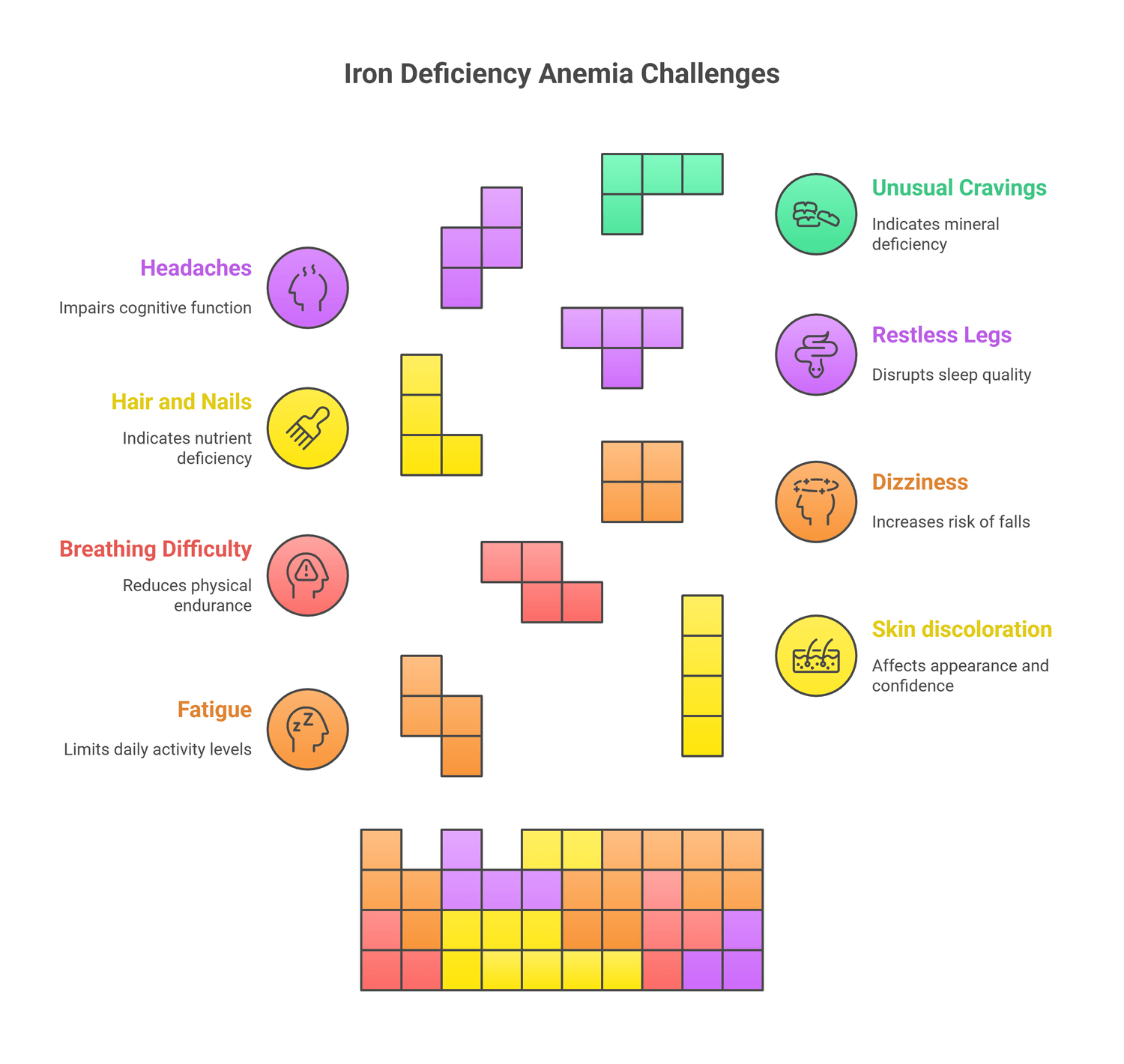
Constant fatigue and weakness
Pale or yellowish skin
Shortness of breath with minimal activity
Dizziness or lightheadedness
Brittle nails and hair loss
Restless legs syndrome
Headaches and poor concentration
Cravings for non-food items like ice or clay (a condition called pica)
If untreated, iron deficiency can progress to iron-deficiency anemia, a condition where red blood cells are too few or too small to carry enough oxygen.
The Best Food Sources of Iron
Iron comes in two forms:
Heme iron (absorbed easily): Found in animal products like red meat, chicken, turkey, and fish.
Non-heme iron (absorbed less efficiently): Found in plant-based foods like beans, spinach, lentils, and fortified cereals.
Top Iron-Rich Foods:
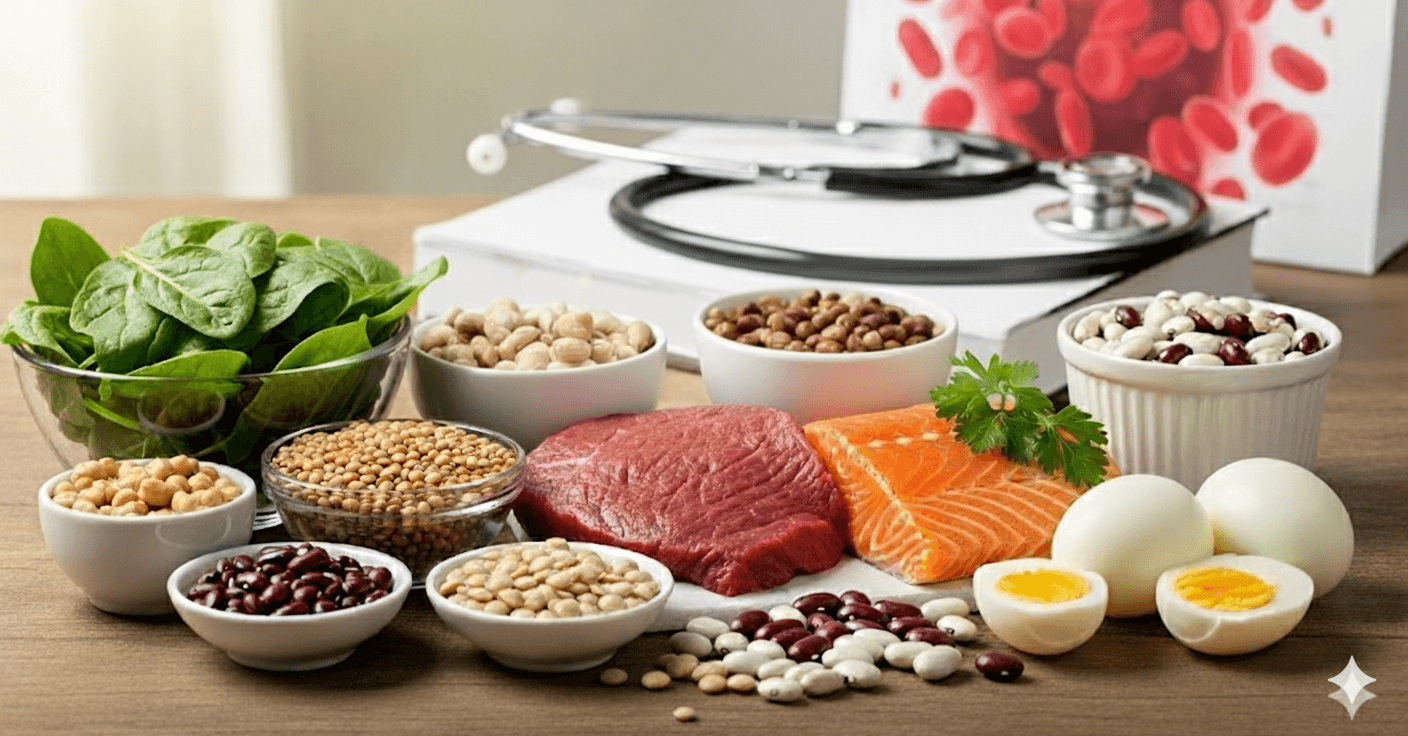
Lean red meat, liver, and poultry
Oily fish (sardines, tuna, salmon)
Lentils, chickpeas, and beans
Spinach, kale, and broccoli
Pumpkin seeds, cashews, and almonds
Eggs
Iron-fortified cereals and breads
💡 Tip: Vitamin C (from oranges, strawberries, bell peppers) boosts absorption of non-heme iron. Avoid drinking tea or coffee with iron-rich meals, as they may reduce absorption.
Natural Ways to Improve Iron Levels
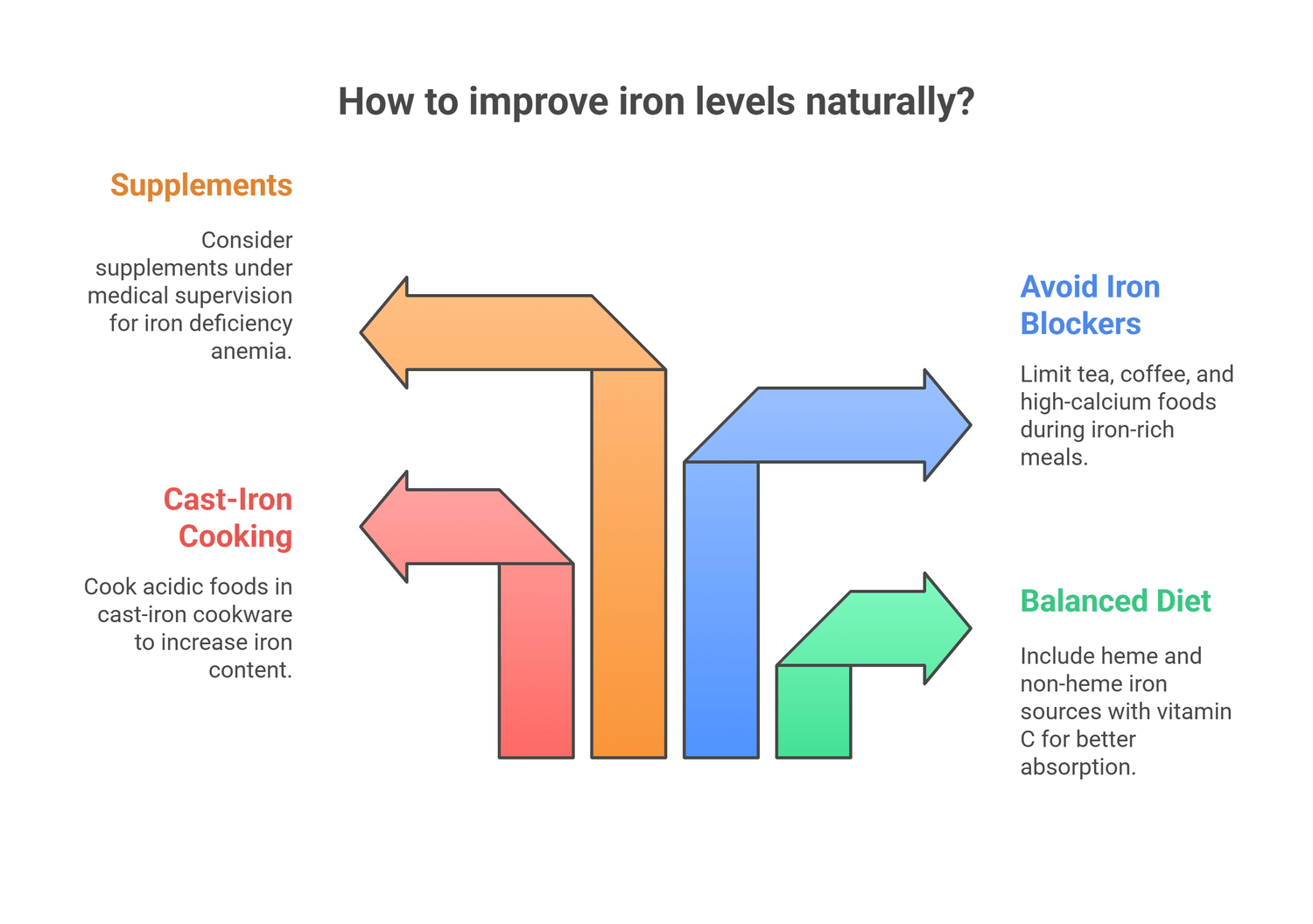
Eat a Balanced Diet
Include both heme and non-heme iron sources daily.
Pair plant-based iron foods with vitamin C for better absorption.
Cook in Cast-Iron Cookware
Cooking acidic foods (like tomato sauce) in cast-iron pans can increase iron content.
Avoid Iron Blockers
Limit excess tea, coffee, and high-calcium foods during iron-rich meals.
Consider Supplements (If Needed)
If your doctor diagnoses iron deficiency anemia, they may recommend iron supplements.
Supplements should always be taken under medical supervision to avoid side effects like constipation or overload.
When to See a Doctor
If you suspect iron deficiency, don’t self-diagnose. Too much iron can be harmful (causing liver and heart problems). Always consult a healthcare professional for blood tests and safe treatment.
Conclusion
Iron is a cornerstone of good health — from fueling your energy and immunity to supporting healthy skin and hair. Unfortunately, iron deficiency is widespread, especially among women, children, and those with dietary restrictions.
The good news? With the right mix of iron-rich foods, healthy lifestyle habits, and medical guidance when necessary, you can prevent or correct deficiency and keep your body thriving.